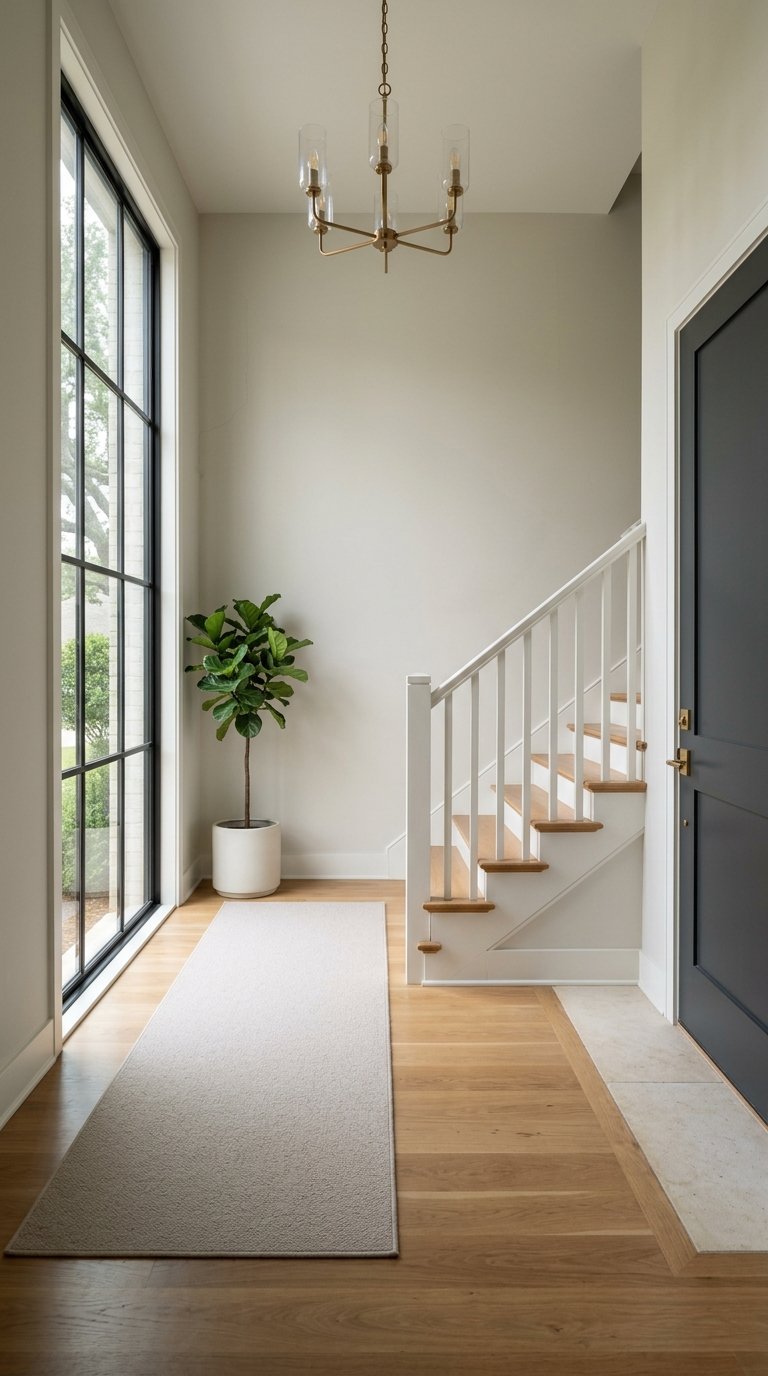
Buying an established home in Cypresswood can be a smart move, but it is not the kind of purchase you want to make on autopilot. If you love mature trees, larger lots, and floor plans with character, this neighborhood can offer a lot to work with. The key is knowing how to evaluate the home, the HOA rules, and the likely repair budget before you close. Let’s dive in.
Why Cypresswood stands out
Cypresswood is an established Spring community with roots going back decades. Listing snapshots show homes built from the 1970s through the early 2000s, so you are likely to see a wide range of styles, conditions, and update levels.
That variety can work in your favor. You may find anything from an original-condition home with renovation potential to a property where major systems like the roof, AC, kitchen, or baths have already been improved.
Another thing to know is that Cypresswood is governed through a central community association structure tied to 14 associations. In practice, that means there is not one single rulebook for every home. The exact section and its governing documents matter.
What homes look like in Cypresswood
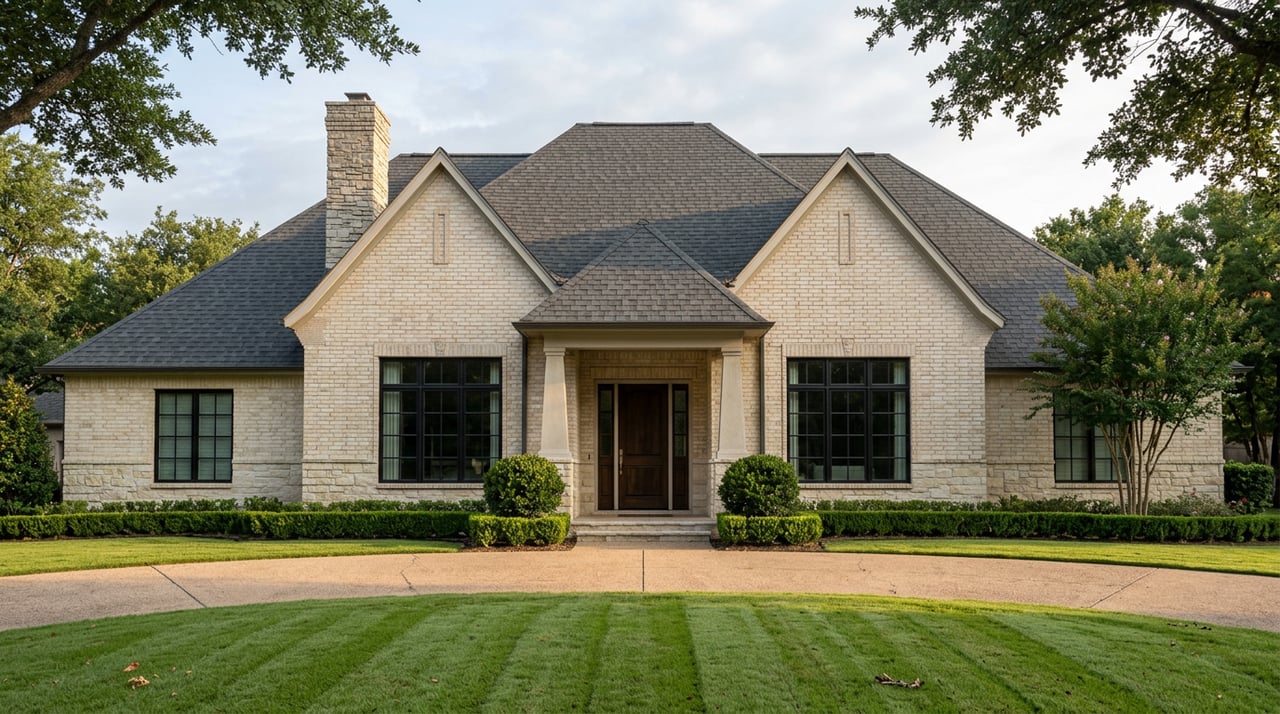
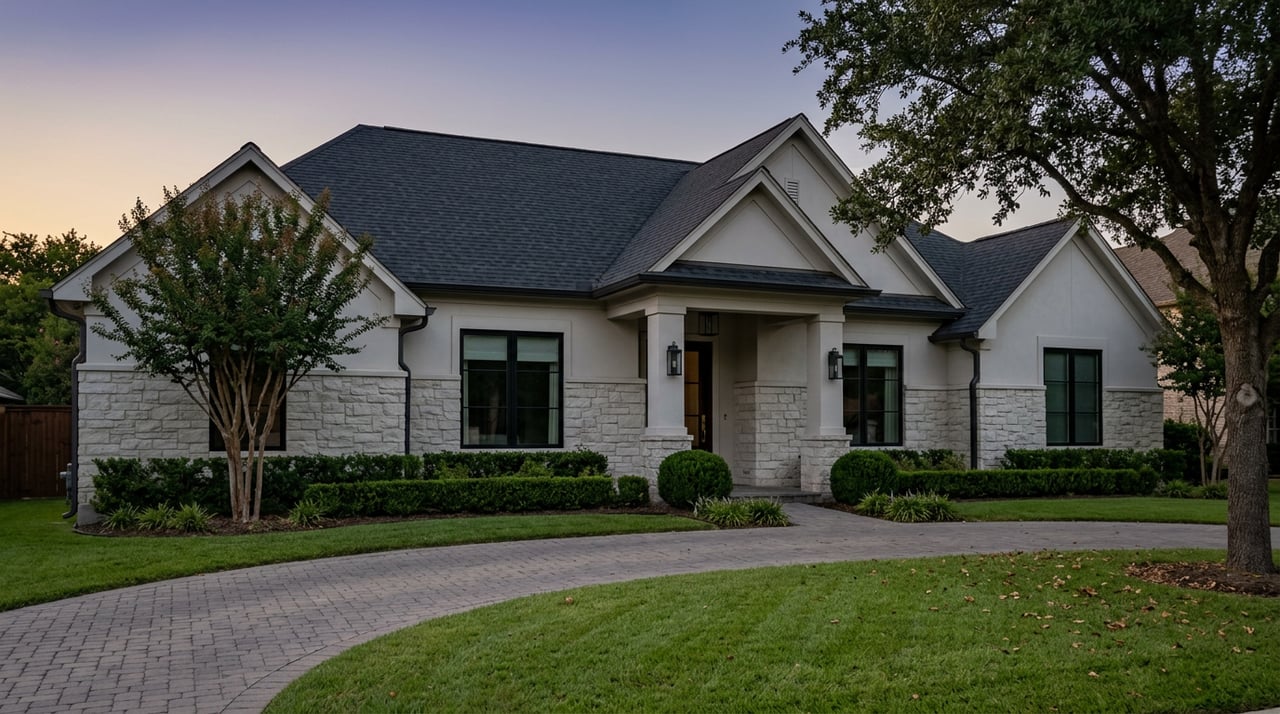
One of Cypresswood’s biggest advantages is housing variety. Unlike newer subdivisions with similar homes throughout, established sections here can offer different lot sizes, layouts, and upkeep levels from one street to the next.
Current listing examples show several common home types buyers are likely to encounter:
- One-story split plans with formal dining rooms, studies, or flex spaces
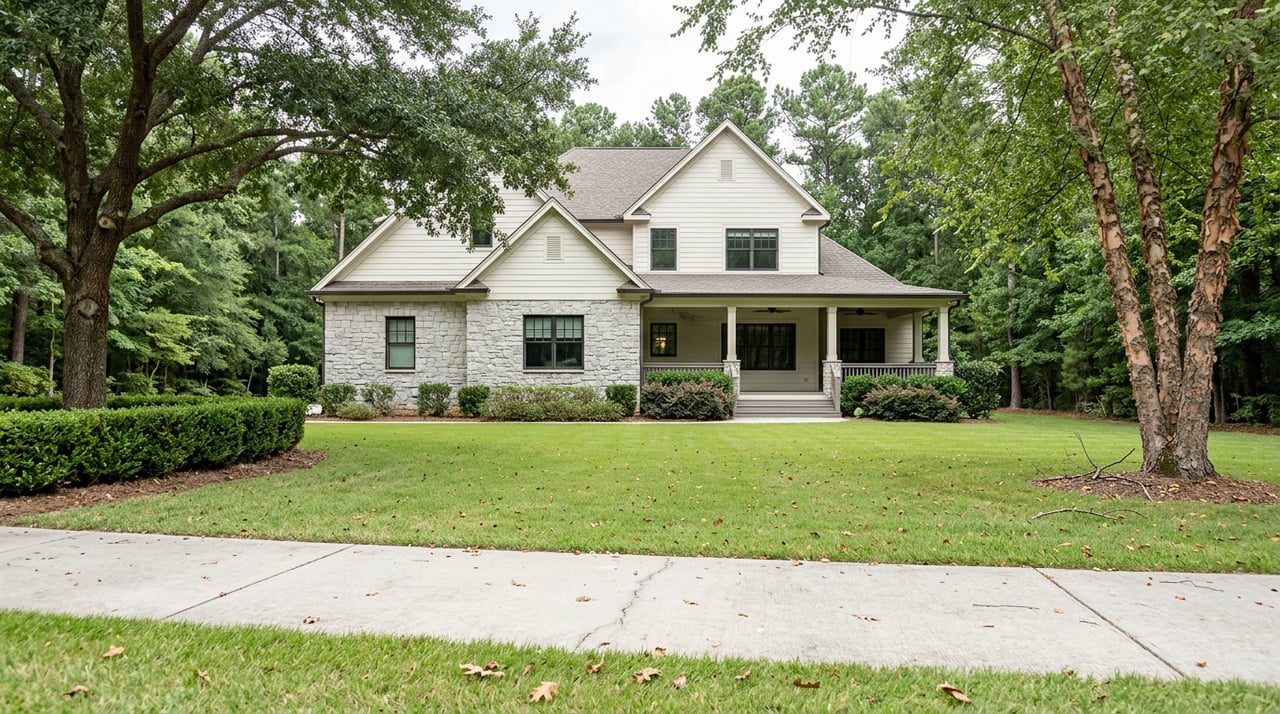
- Two-story traditional homes with the primary bedroom downstairs and secondary bedrooms plus a game room upstairs
- Patio homes with smaller lots and less exterior upkeep
- Larger wooded, corner, cul-de-sac, or even half-acre-plus lots with more room for outdoor living or phased updates
If you want a home with mature landscaping and a less cookie-cutter feel, Cypresswood may check a lot of boxes. At the same time, older homes and older trees often mean more maintenance planning.
Focus on systems, not just finishes
When you tour established homes, it is easy to get drawn in by cosmetic updates. Fresh paint and new counters matter, but the real story is often in the major systems.
In Texas, a home inspection is a visual inspection of accessible components at the time of the inspection. It is not a code-compliance review, and it is not a guarantee of future performance. For Cypresswood homes, that makes it especially important to zero in on the systems most likely to affect your budget after closing.
Key inspection priorities
For many established homes in Cypresswood, your first-pass review should include:
- Roof age and flashing condition
- HVAC age and duct condition
- Plumbing shutoffs and water heater condition
- Electrical panel capacity and visible safety concerns
- Signs of foundation movement, such as sloping floors or cracks in walls, ceilings, or masonry
These items can become major costs quickly. A home that looks move-in ready on the surface may still need large-ticket work in the near future.
Add-on inspections worth considering
Because Cypresswood often features mature trees and older utility lines, a general inspection may not be enough. A separate sewer camera inspection can help identify root intrusion, blockages, or damaged pipes before they turn into a bigger problem.
A wood-destroying insect inspection is also a wise add-on for many established homes. In Texas, anyone reporting on wood-destroying insects must be properly licensed, so this is a step worth handling through the right professional.
Mature trees are a plus and a warning sign
Many buyers love Cypresswood for its wooded feel. Mature trees can add privacy, shade, and curb appeal that newer neighborhoods often lack.
They can also affect drainage, irrigation, and underground lines. Roots may interfere with sewer lines, and older landscaping can sometimes mask grading issues or moisture patterns around the home. That does not mean you should avoid tree-filled lots. It means you should evaluate them with open eyes.
Check flood risk by address
One of the biggest mistakes buyers make in established neighborhoods is assuming flood risk is the same across the entire area. In Cypresswood, flood diligence should be specific to the exact property you are considering.
Do not rely on seller memory, an old listing description, or what someone says about one side of the neighborhood. Instead, check the exact parcel using the official flood mapping resources for the area, including FEMA’s map tools and Harris County Flood Control District’s MAAPnext tool.
This is one of those steps that can save you from a costly surprise. A few minutes of verification can give you a much clearer picture of the property’s location-specific risk.
Understand the HOA before you plan updates
Established homes often attract buyers because they offer room to improve over time. Cypresswood can be appealing for that reason, especially if you want to update in phases instead of taking on a full renovation right away.
But before you start dreaming about a new paint color, pool, shed, or major exterior remodel, check the rules for the home’s specific HOA section. Cypresswood’s structure means the exact subcommunity documents matter just as much as the home itself.
Exterior changes may require approval
In Cypresswood, exterior modification requests may be required for changes such as:
- Room additions
- Paint color changes
- Gutters
- Landscape changes
- Sheds
- Pools
Approval can take about 30 days, though timing and requirements may vary by association. If your purchase depends on making visible changes soon after closing, this should be part of your early due diligence.
Storage and parking rules matter too
Buyers should also review restrictions on visible storage and parking. Cypresswood rules may limit visible boats, trailers, campers, motor homes, and certain commercial vehicles unless they are enclosed in a garage.
That may not affect every buyer, but if you have specialty vehicles, work vehicles, or recreation equipment, it is important to confirm the rules before you buy. This is a detail that can shape whether a home truly fits your lifestyle.
Budget for likely repair categories
An established home can offer strong value, but your budget should go beyond the purchase price. Repairs and replacements on older homes often come in clusters rather than one at a time.
Based on current cost guides cited in the research, common repair ranges can include:
- Roof replacement: about $4 to $11 per square foot
- HVAC replacement: about $5,000 to $22,000
- Tank water heater replacement: about $882 to $1,816
- Electrical panel upgrade: about $1,200 to $2,000
- Foundation repair: about $2,225 to $8,133
- Window replacement: about $3,440 to $11,840
- Sewer line repair: about $1,100 to $4,100 for repairs, or about $50 to $250 per foot for replacement
The takeaway is simple. Even a home with great bones can require a meaningful post-closing budget if several systems are near the end of their useful life.
Review taxes and exemptions early
It is also smart to pull the HCAD record early in your process. This can help you confirm the property’s appraised value, tax history, exemptions, and which taxing units apply.
If you plan to claim a homestead exemption, remember that exemptions are not automatic. Filing requirements and timing matter, so this is another small step that can make a meaningful difference in your ownership costs.
Confirm school zoning by address
In Cypresswood, school assignment is address-specific. Current listings show that homes in the area may be assigned to either Klein ISD or Spring ISD.
That means you should not assume a district based on the neighborhood name alone. Verify the exact address using the official district boundary tools before you make a decision based on school zoning.
A practical due-diligence checklist
If you are serious about buying an established home in Cypresswood, this checklist can help keep your decision grounded in facts:
- Verify the exact HOA section, CC&Rs, and exterior modification rules for the specific address
- Confirm school assignment by address using the official district boundary tools
- Check flood mapping for the exact parcel
- Ask for service dates and permits for the roof, HVAC, water heater, electrical panel, windows, and any foundation work
- Add a wood-destroying insect inspection
- Consider a sewer scope, especially on lots with mature trees and older systems
- Compare the home’s update needs against your total budget, not just your down payment and closing costs
What smart buyers keep in mind
The best Cypresswood purchase is rarely the one with the prettiest listing photos alone. It is the home where the layout fits your needs, the major systems are understood, the flood check is complete, and the HOA rules line up with your plans.
That kind of clarity can help you buy with confidence instead of crossing your fingers after closing. In a neighborhood with mature homes and real variation from one section to another, careful due diligence is not extra. It is the strategy.
If you want help comparing established homes in Cypresswood, reviewing trade-offs, or building a smarter search strategy in Spring, connect with The Jamie Bechtold Group.
FAQs
What should you inspect first when buying an older home in Cypresswood?
- Start with the roof, HVAC, plumbing, water heater, electrical panel, and any visible signs of foundation movement, since these systems often drive the biggest early repair costs.
Why do HOA rules vary for homes in Cypresswood?
- Cypresswood is organized through multiple associations, so the exact section-level documents and rules for the address you are buying matter.
Should you get a sewer camera inspection for a Cypresswood home?
- In many cases, yes, especially for homes with mature trees and older utility lines, because a sewer scope can reveal root intrusion, blockages, or pipe damage.
How do you check flood risk for a Cypresswood property?
- Check the exact address using official flood mapping resources, including FEMA tools and Harris County Flood Control District mapping, rather than relying on general neighborhood assumptions.
Can you renovate the exterior of a Cypresswood home after closing?
- Often yes, but many exterior changes may require approval from the applicable HOA section, so you should confirm the rules before making plans.
How do you confirm school zoning for a home in Cypresswood?
- Verify the exact address with the official district boundary tools, because listings in Cypresswood may fall within either Klein ISD or Spring ISD.