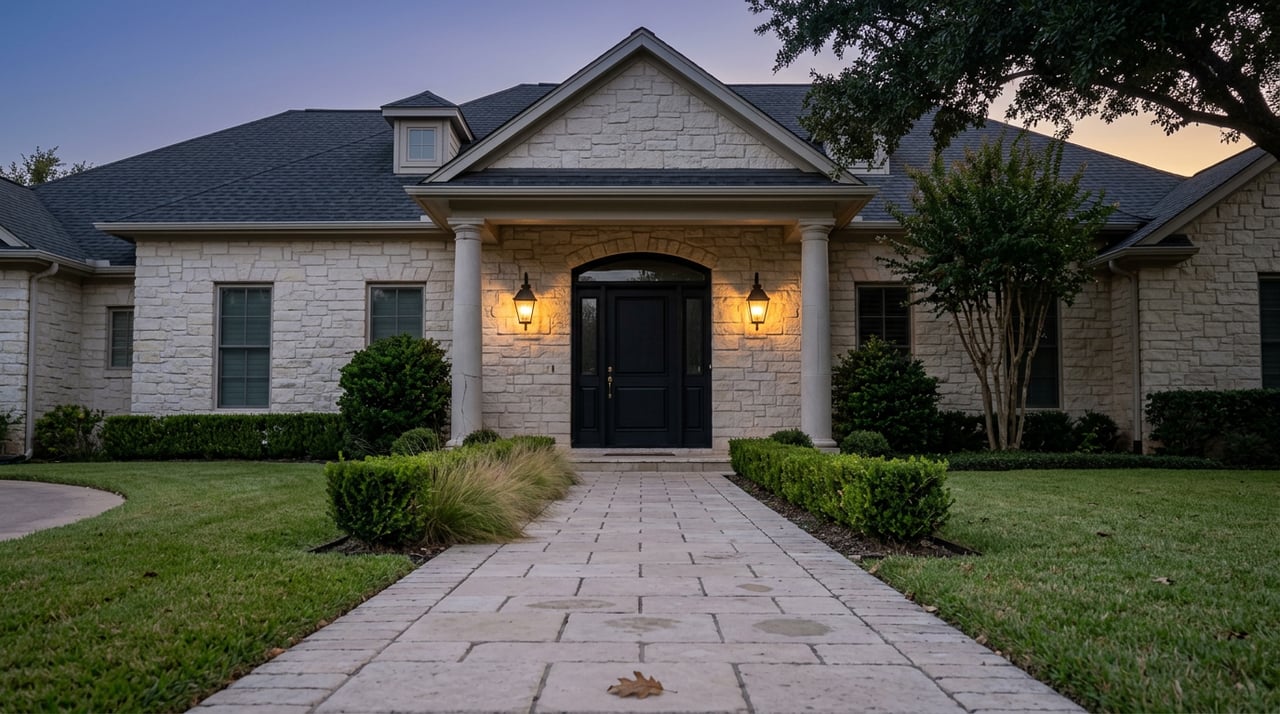
A work relocation can feel simple on paper and chaotic in real life. You are trying to line up a start date, a housing budget, commute expectations, lender paperwork, and a move timeline all at once. The good news is that if you break the process into the right 90-day plan, your move to Spring can feel much more manageable. Let’s dive in.
Why Spring Works for Relocation Buyers
Spring gives you a broad range of housing options in a large suburban market. According to U.S. Census QuickFacts for Spring CDP, Spring had a 2020 population of 62,559, with a median household income of $88,997 in the 2020-2024 ACS data.
That scale matters when you are relocating for work. It usually means you can compare different home styles, lot sizes, community setups, and price points without needing to search across an entire region.
The bigger Houston market also offers a more balanced shopping environment than many buyers expect. In March 2026, Greater Houston had 4.7 months of inventory, 34,898 active listings, a median home price of $330,000, and 67 days on market. For you, that means it is smart to act quickly when the right home appears, but you are not shopping in an extreme shortage market.
Your 90-Day Relocation Timeline
Days 1-30: Set Your Framework
The first 30 days should be about clarity. Before you look seriously at homes, define your job start date, ideal move-in date, monthly payment target, maximum budget, and preferred commute range.
If your employer offers relocation benefits, confirm the rules early. Some managed programs require you to speak with the relocation provider before choosing an agent or signing documents. For example, Cartus relocation guidance says employees in certain programs should not enter a buyer-broker or listing agreement before consulting their Cartus representative.
This is also the right window to get preapproved. The Consumer Financial Protection Bureau explains that sellers often require a preapproval letter, and those letters typically expire in 30 to 60 days. If your shopping timeline is real, get your financing documents together now so your letter is active when you are ready to write.
What to finalize in the first month
- Your job start date and ideal possession date
- Your budget ceiling and cash available for closing
- Your target commute corridor
- Whether your employer uses a relocation vendor
- Your lender preapproval timing
- Your must-haves versus nice-to-haves
Days 31-60: Narrow the Shortlist
The second month is where remote strategy matters most. This is the time to use video tours, community research, and route testing to narrow your options before you travel for in-person showings.
When you relocate to Spring, one of the smartest first filters is your commute. Buyers often compare access to I-45, Hardy Toll Road, and SH 99. The Texas Department of Transportation Grand Parkway toll road map is useful for understanding those connections, but map mileage alone is not enough. You should test routes during your actual commute window whenever possible.
This stage is also the right time to compare neighborhoods by structure, not just by photos. That means looking at HOA setup, lot size, community design, and how each area supports your daily routine.
Communities to compare in and around Spring
Here are several useful Spring-area comparison points for relocating buyers:
- The Woodlands: A 28,500-acre master-planned community about 27 miles north of downtown Houston. The township also notes commuter service to Downtown, Greenway Plaza, the Texas Medical Center, and the Energy Corridor.
- Woodson's Reserve: A master-planned community in Spring located on the Grand Parkway.
- Harmony: A 1,000-acre master-planned community near Spring Creek Greenway.
- Falls at Imperial Oaks: A Spring community with wooded lots and both gated and non-gated sections, near the Spring Creek Greenway Project and Nature Center.
- Benders Landing: A single-family acreage community in Spring.
Each one offers a different trade-off. Some buyers want easy parkway access, some want larger lots, and some want a master-planned setup with a particular layout or feel. Your goal is not to find the "best" community in general. It is to find the best fit for your work routine, budget, and move timeline.
Verify school zones by address
Even if you do not have school-aged children, school boundary verification still matters. It can affect future resale, rental appeal, and whether a specific home fits your search criteria.
Spring ISD serves more than 32,000 students across 43 campuses and provides an attendance boundary tool so you can confirm the assigned campus for each address. If your search expands north into The Woodlands, the township notes that Conroe, Magnolia, and Tomball ISDs are also relevant district options.
Compare lenders once you are under contract
Preapproval gets you in the game, but it should not end your financing review. Once you have a home under contract, the CFPB recommends comparing official Loan Estimates from multiple lenders rather than assuming your preapproval lender is automatically your best option.
That one step can help you evaluate rates, fees, and closing terms with more confidence. For a relocation move, small differences in timing and cost can matter a lot.
Days 61-90: Go from Contract to Close
The final 30 days are all about execution. Once you are under contract, your timeline typically includes inspection, appraisal, underwriting, final loan approval, closing documents, and move coordination.
This is also when your budget needs to account for more than the down payment. The CFPB notes that closing costs typically run 2% to 5% of the purchase price, not including your down payment. Ongoing ownership costs can also include property taxes, homeowner's insurance, possible flood insurance, HOA fees, maintenance, and utilities.
For relocation buyers, the best closings are usually the best-coordinated closings. Sirva's relocation services model emphasizes counseling, home-finding support, move management, and settling-in coordination on one timeline. That same mindset helps reduce friction in your purchase.
What to track in the final month
- Inspection dates and response deadlines
- Appraisal timing
- Loan underwriting conditions
- Cash-to-close numbers
- Utility transfer dates
- Move scheduling
- Employer or relocation reimbursement paperwork
Why Relocation Success Depends on Coordination
A relocation purchase is not just a home search. It is a coordination project with a lot of moving pieces.
You may be balancing your employer, a relocation vendor, a lender, title, inspectors, and your household calendar at the same time. That is why a clear communication model matters so much. A single point of contact, one shared timeline, and consistent updates can make the process feel far less overwhelming.
This matters even more if you are buying remotely. When showings, offers, lender updates, and travel plans all depend on timing, you need a process that keeps everyone aligned and responsive.
A Simple Spring Relocation Checklist
If you want to keep your move on track, focus on these priorities first:
- Confirm your work start date and housing deadline.
- Ask your employer whether a relocation provider is involved.
- Get preapproved within the window when your home search is active.
- Compare commute corridors before comparing cosmetic features.
- Shortlist communities by lot size, HOA structure, and access.
- Verify school boundaries for each address.
- Compare Loan Estimates once you are under contract.
- Budget for closing costs and ongoing ownership expenses.
- Coordinate inspection, underwriting, and move timing together.
A good plan does not remove every surprise. It does help you make better decisions faster.
If you are relocating to Spring for work, the most important step is to start early and stay organized. With the right 90-day plan, you can narrow the right neighborhoods, protect your timeline, and move forward with more confidence. If you want a team that can help you compare Spring-area communities, coordinate a remote-friendly search, and keep the process on one clear timeline, connect with The Jamie Bechtold Group.
FAQs
When should you get preapproved for a Spring relocation home search?
- You should get preapproved as soon as your shopping window is real, ideally within the 30-to-60-day lifespan of most preapproval letters so it does not expire before you are ready to offer.
What should you budget besides the down payment when buying in Spring?
- You should budget for closing costs, property taxes, homeowner's insurance, possible flood insurance, HOA fees, maintenance, and utilities.
Do you need to contact your relocation provider before choosing an agent?
- In some employer-managed programs, yes, because providers such as Cartus state that employees may need to consult them before signing a buyer-broker or listing agreement.
Which Spring-area communities should commuters compare first?
- A practical starting group includes The Woodlands, Woodson's Reserve, Harmony, Falls at Imperial Oaks, and Benders Landing because they offer different commute routes, lot sizes, and community setups.
Why should you verify school boundaries for a Spring home search?
- You should verify boundaries for every address because attendance zones can affect your available options, future resale, and rental appeal, even if you do not currently need school enrollment information.