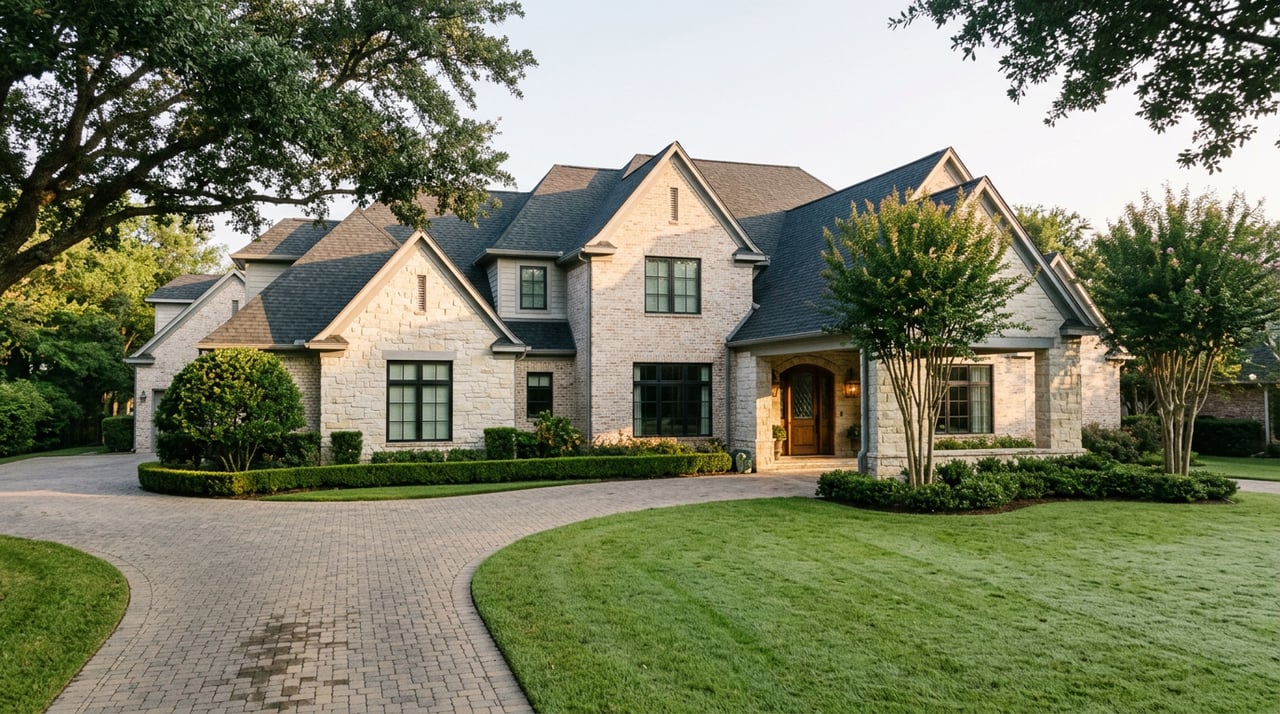
Picture a golfer showing up at Grand Lake Golf Club the morning after a hard rain. The course is cart-path-only, so the round moves slower than planned. There's no water station between holes, no cooler mounted on the cart, and when the ninth hole finishes, the layout doesn't loop back to the clubhouse the way most 18-hole courses do. Whatever facility sits behind the ninth green is, by more than one player's account, a metal building with no snack bar. If nature calls before the eighteenth, the options are a portable toilet or a long wait.
Now read how that same golf course shows up on the sites that sell homes near it. One profile promises an "elegant clubhouse" with upscale dining, a fitness center, and event space. Another describes a "state-of-the-art locker room" and a full lunch-and-dinner restaurant. A third folds the course into a broader pitch about championship-level golf paired with luxury acreage living. These aren't fringe claims. They're the standard language that gets copied across real estate and travel sites whenever a Montgomery County golf community comes up.
Both descriptions are talking about the same 18 holes at 8901 Grand Lake Estates Drive. Only one of them matches what shows up when you actually tee off.
What Gets Repeated Isn't Always What Gets Verified
The gap here isn't a scandal. It's a mechanical feature of how real estate marketing gets built. Listing platforms and travel-adjacent sites often pull amenity descriptions from developer copy or from each other, and that copy tends to describe what a community was designed to become rather than what currently exists on the ground. Nobody at those sites plays a round before publishing the paragraph.
Golfers, on the other hand, write reviews after they've actually played. On GolfPass, the reviews of Grand Lake are consistent on a few points: the fairways and greens are genuinely well kept, the layout by Gary Player has real character, and the amenities around the golf itself are minimal. One reviewer specifically flagged the lack of a snack bar and the absence of speakers or coolers on the carts. Another asked, in a suggestion left for course management, whether the port-a-johns could be swapped for real restrooms since the course doesn't route back past the clubhouse at the turn.
The club's own current website splits the difference in a more honest direction than the syndicated copy does. It calls itself "Montgomery County's best kept secret" and confirms the course is semi-private but open to public play at posted rates. That's a plainer, more accurate pitch than the elegant-clubhouse language circulating elsewhere, and it lines up with what players are reporting.
What the Marketing Copy vs. What's Actually There
| What gets published | What players report |
|---|---|
| Elegant clubhouse with upscale dining | A modest building described by reviewers as a metal structure with no snack bar |
| State-of-the-art locker room and fitness center | Not mentioned in any player review found in this research |
| Full lunch-and-dinner restaurant | No on-course food and beverage service reported by recent players |
| Cart-mounted amenities | Reviewers note carts without speakers, screens, or coolers |
| Clubhouse turn after nine holes | Course layout does not route back to the clubhouse at the turn |
None of this makes Grand Lake a bad place to play golf. The complaints are almost entirely about service infrastructure, not conditions. What it means is that a buyer who chooses a lot here partly because the marketing promised a full-service country club experience is buying a golf course, not a club.
The Twenty-Year Gap Between the Plan and the Present
This isn't a recent slip in upkeep. It traces back to how the course was originally pitched. In a 2004 Houston Chronicle interview, the course's then-general manager described a long-range vision that included a full clubhouse, a restaurant, a conference room, a pool, tennis courts, and a dedicated 12-to-14-acre practice facility. At the time, only the front nine had opened, construction had started in 2003, and the course was still described as rough around the edges with a lot of promise ahead of it.
Two decades is a long runway, and some master-planned amenities do arrive late. But a 2023 discussion thread among golfers on TexAgs described the course much the way current GolfPass reviews do: interesting and scenic, but with no clubhouse to speak of, and a ninth hole that still doesn't return to one. If the 2004 plan for a full clubhouse and restaurant complex had been built out as described, it's the kind of amenity that would show up in current player accounts. It doesn't.
That's the pattern worth naming: an amenity roadmap announced during initial development can become the permanent description used in marketing, whether or not the build-out ever finished. The course exists. The clubhouse from the original pitch, as far as current reviews indicate, does not.
So What Is the Premium Actually Paying For
If the club amenities aren't the draw, what explains the price difference between a home in Grand Lake Estates and a typical home nearby? One listing on Grand Lake Estates Drive was priced at $1,550,000 as of late July 2026, well above the area's broader average home price for that period according to the listing platform's own data. That kind of gap in a golf-adjacent community usually isn't about clubhouse access. It's about the lot itself: acreage, tree cover, privacy from neighbors, and a view corridor over open fairway that a standard subdivision lot doesn't offer.
That's a legitimate value driver. A wide, quiet lot backing up to maintained fairway is worth something on its own, independent of whether the course has a locker room or a lunch menu. The problem only shows up when a buyer assumes the higher price includes club-level service and later finds out it doesn't. In a community where membership is semi-private and open to public play rather than mandatory and bundled into HOA dues, as it is in some other golf communities in this market, that distinction changes how you should think about the number on the price sheet.
Questions Worth Asking Before You Pay for the View
- Is club membership required to buy the lot, or is the course open to public play regardless of who owns nearby homes?
- What is currently on-site at the clubhouse today, not what the original site plan or a third-party listing page describes?
- Are there food and beverage services on the course, and if not, does that matter for how you'd use the property?
- How does the per-square-foot price on a golf-adjacent lot compare to a similar lot in the same community without course frontage?
- Has the HOA or the golf club published any current plans for clubhouse renovation, and is there a funding source behind them?
None of these questions require confrontation. They just require asking the club directly, in writing, rather than relying on a paragraph that may have been copied from a decade-old developer brochure.
A Short FAQ
Is Grand Lake Golf Club open to non-residents? Yes. The club describes itself as semi-private and open to public play, with tee times bookable directly through the course.
Is club membership required to purchase a home in Grand Lake Estates? Based on available information, the course operates as public-access rather than a mandatory membership model tied to home purchase, which is a different structure than some other golf communities in the region.
Did the original development plan include a full clubhouse and pool? Yes. A 2004 interview with the course's general manager described long-range plans for a full clubhouse, restaurant, pool, and tennis courts. Current player accounts suggest that build-out has not matched the original description.
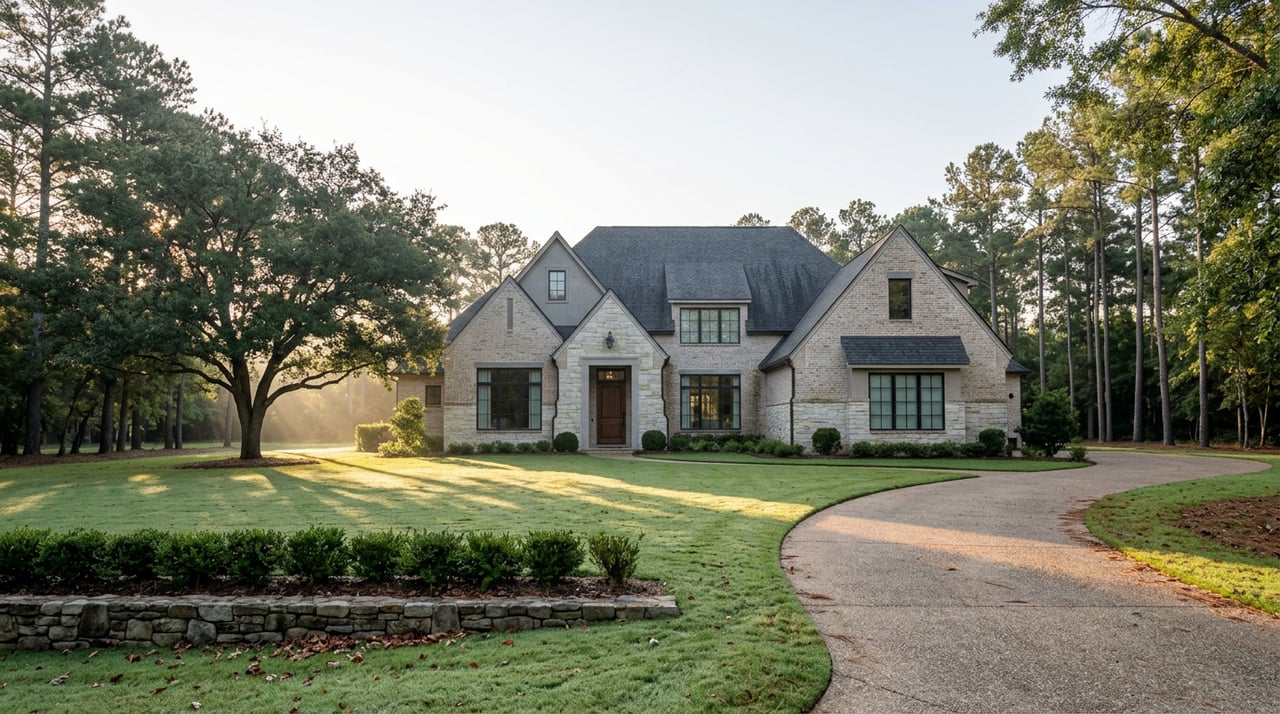
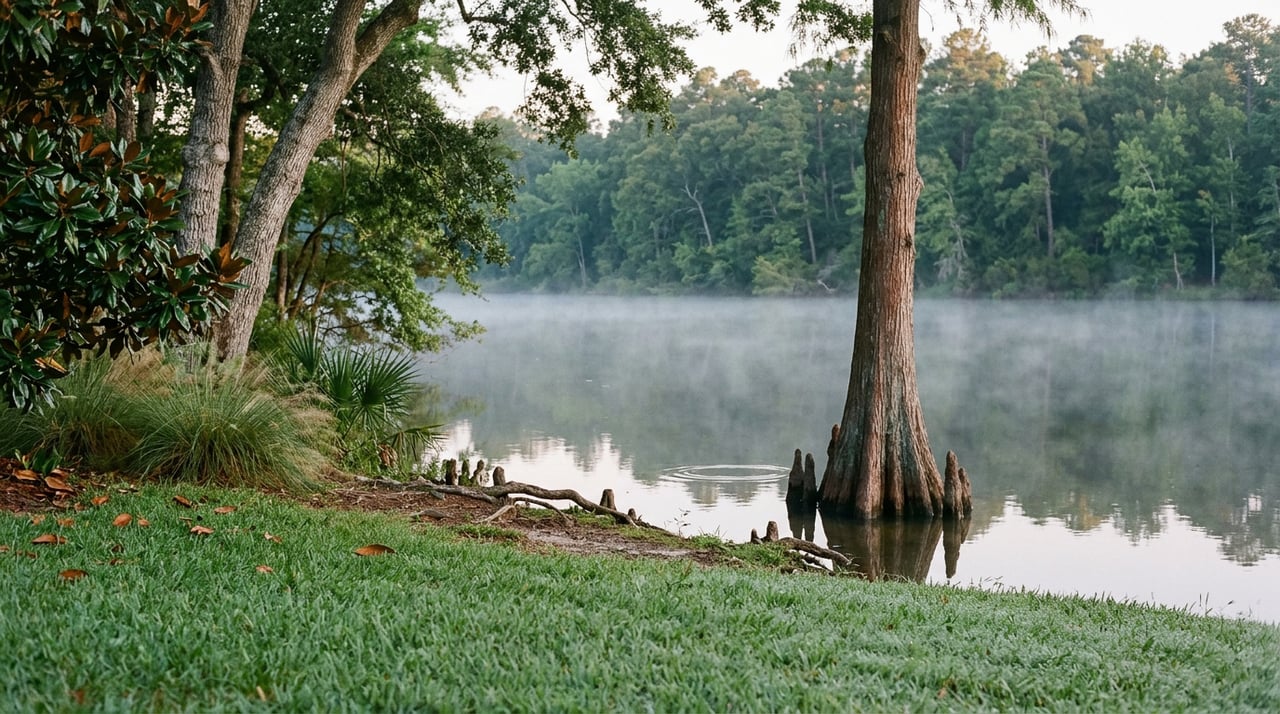
The land in Grand Lake Estates has real appeal: mature trees, generous lot sizes, and genuine proximity to Lake Conroe and Montgomery. That's worth paying for. Just make sure you're paying for the land and the layout, not a clubhouse that exists mostly in copy that's been circulating since before the back nine opened.
If you're weighing a golf-adjacent lot here against comparable communities like Woodforest or Carlton Woods, Jamie Bechtold can walk through what each community's amenity structure actually includes before you write an offer. Schedule Your Strategy Call to get a clear read on what you're buying, not just what the listing says you're buying.